Understanding of the communities that you belong to and how they work is integral to understanding their place in the world. Many of the successes and struggles of our smaller communities mirror the issues that are on the global stage. In this lesson, you are encouraged to learn more about your community by interviewing its members.
Community Brainstorm Spark
Before diving into a community project, you should always check and see what communities you are a part of. This will help later with looking for partnerships, fundraising, and making sure you choose a project for a community you love.
- Create a mind map of all the communities you’re part of. Think about the groups who are important to you, who have an impact on your life, and whom you can also influence positively.
- Share your mind map with a friend in your cohort or family member and see if they can suggest any other communities you might have missed or overlooked.
Stakeholder Brainstorming
Why do we recommend making this list? Starting a project means starting to get ORGANIZED, and having a list of who you need to contact and why is just the start. Otherwise, you might get overwhelmed, miss out on great networking opportunities, or accidentally contact the same person twice.
- Grab a sheet of paper and split it into four columns, or make a copy of this document. Columns should be labeled “Community, Stakeholder, Contact Information, Role in the Community”. See the title image for an example.
- Think about the communities from your mind map that you’re super curious about. Now, brainstorm stakeholders you could reach out to from these communities. These should be folks connected to something you find fascinating. For each person, jot down:
- Community the stakeholder belongs to
- Stakeholder’s name they can reach out to
- Contact information of the stakeholder
- Role that the stakeholder plays in that community
Interview Prep
How you present yourself upon first contact often sets the tone for future interactions. In order for adults to take you seriously, you need to show professionalism at the start, whether that be an email, phone call, or text message.
Presentation
- Listen attentively to the presentation on informational interviews.
- Take note of three tips that really click with you and that you plan to use in your future interviews.
Template Making
Create a template for one of these types of communication below. You are trying to set up an interview to learn about your stakeholder and their community. You are NOT being interviewed for a job.
- Email to a potential stakeholder
- Text message to potential stakeholder
- Phone call with a receptionist to talk with a potential stakeholder
- Phone call with stakeholder to set up an interview
Include all of the following in your own words:
- Respectful Greeting: Start with a nice and friendly hello.
- Introduction: Briefly introduce yourself and explain why you’re reaching out.
- Interview Setup: Ask for a good time for the interview.
- Gratitude: Show appreciation for their time and consideration.
- Salutation: End with a friendly goodbye.
Feedback
- Share your template with your guide for tips and make any necessary revisions.
- Post the template on the path using the title “[Form of communication] Template for Interviews”.
- Check back to see how others are approaching their interviews. Learn from them to improve your own communication skills!
Informational Interviews
Before starting any project, you need to do research and make sure that the project you have in mind is something wanted by the community, and the best way to do that is to talk with those people themselves! Plus, you’ll get to practice all of your professional communication skills and small talk you’ve learned in this module.
Pre-Interview: 15 minutes
- Today’s mission is to dive into your communities and passions by talking to real people in those communities. You need to find out the needs, strengths, and important issues of the community.
- Reach out to 3 stakeholders from at least 2 different communities for an interview in the next 2 weeks. Don’t give up if they don’t respond right away!
- Pick 5 questions from the list provided to ask in your interview. These questions can cover environmental, social, or economic topics. Of course, feel free to ask other questions as well to learn more about the community from their perspective!
Remember, you are a student of Project Wonder, a program tailored for high school students to explore social entrepreneurship, foster community involvement, and create a project that services a community’s needs. You are doing research to figure out what needs your community has so that you can start to brainstorm a small socially conscious project idea.
Interview
- Have your interview over the phone, video call, or in person. Take notes during the chat or ask if you can record it (with permission, of course!).
Post Interview
- After your interviews, take the time to write a thank you note for your interviewees. This thank you note should express at least 2 specific details you were grateful for during your meeting.
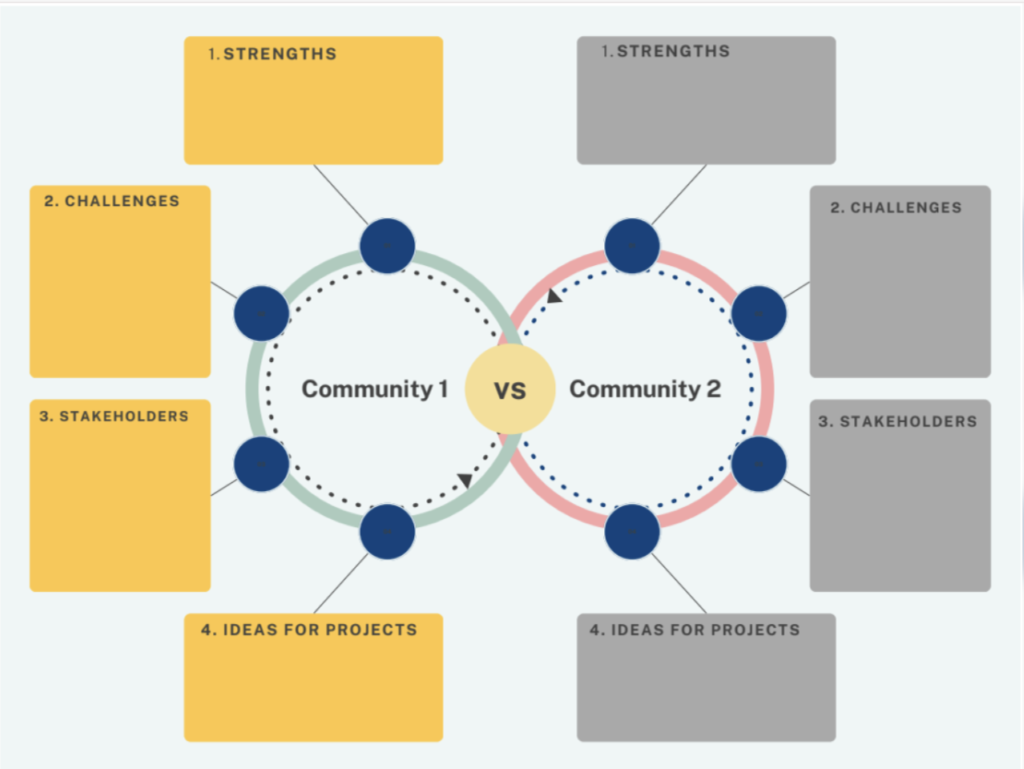
- Create a mind map using the template to organize what you learned. If you talked to 3 people from 3 communities, you’ll need a second mind map.
- Upload the mind map and your reflection to the path.
- What surprised you about your community? Why?
- What interested you about your community that you would like to explore more?
- Now, let’s brainstorm some community project ideas. Pick 2 ideas from your mind map that tackle a community need and explain why each idea catches your interest.


 More About the Cooperative