
Project Video
Taking everything you learned through your research process, create a compelling video that tells the story of your ideal project and engages and informs your audience.
Ujubee South Africa
For many years I have worked quietly in landscapes across South Africa, observing wild bees in the places they have always lived — mountain gorges, remote valleys, farms, deserts, forests, savanna, urban areas, and intact wild systems.
Over time, something became increasingly clear to me.
Wild bees do not fit comfortably within existing conservation frameworks. They are small, numerous, and deeply embedded in the fabric of living systems — too interconnected to be protected through conventional methods such as fencing, species management, or economic valuation.
Again and again, I found myself working not only with the bees, but within relationships — with farmers, landowners, communities, and institutions. In these spaces, I witnessed a recurring ethical tension: the dominant conservation model is built on control, intervention, and justification, while the lives of wild bees depend on autonomy, continuity, and freedom from disturbance.
The deeper my work went, the more I understood that wild bees do not need to be managed, studied invasively, or made economically valuable in order to deserve protection. What they require is something much simpler and much more profound: for humans to recognise their right to exist undisturbed.
From this realisation, the concept of guardianship naturally emerged.
The Ujubee Wild Bee Guardianship Charter is not a conservation tool in the traditional sense. It is a statement of ethical relationship — a framework that invites humans to stand in right relation with wild bees by protecting the conditions that allow them to live freely, rather than attempting to control or use them.
It represents a paradigm shift: from an industrialised model of conservation based on intervention, toward a cooperative relationship with the living world.
This charter therefore arises directly from lived experience — years of listening to landscapes, witnessing the lives of wild bees, and learning that true protection begins not with intervention or ownership, but with humility.
In this way, my work has never been about managing bees, but about learning how humans can stand beside them — as quiet guardians rather than controllers.
For many years I have worked quietly in landscapes across South Africa, observing wild bees in the places they have always lived — mountain gorges, remote valleys, farms, deserts, forests, savanna, urban areas, and intact wild systems.
Over time, something became increasingly clear to me.
Wild bees do not fit comfortably within existing conservation frameworks. They are small, numerous, and deeply embedded in the fabric of living systems — too interconnected to be protected through conventional methods such as fencing, species management, or economic valuation.
Again and again, I found myself working not only with the bees, but within relationships — with farmers, landowners, communities, and institutions. In these spaces, I witnessed a recurring ethical tension: the dominant conservation model is built on control, intervention, and justification, while the lives of wild bees depend on autonomy, continuity, and freedom from disturbance.
The deeper my work went, the more I understood that wild bees do not need to be managed, studied invasively, or made economically valuable in order to deserve protection. What they require is something much simpler and much more profound: for humans to recognise their right to exist undisturbed.
From this realisation, the concept of guardianship naturally emerged.
The Ujubee Wild Bee Guardianship Charter is not a conservation tool in the traditional sense. It is a statement of ethical relationship — a framework that invites humans to stand in right relation with wild bees by protecting the conditions that allow them to live freely, rather than attempting to control or use them.
It represents a paradigm shift: from an industrialised model of conservation based on intervention, toward a cooperative relationship with the living world.
This charter therefore arises directly from lived experience — years of listening to landscapes, witnessing the lives of wild bees, and learning that true protection begins not with intervention or ownership, but with humility.
In this way, my work has never been about managing bees, but about learning how humans can stand beside them — as quiet guardians rather than controllers.
Taking everything you learned through your research process, create a compelling video that tells the story of your ideal project and engages and informs your audience.
A powerful mission statement for a social entrepreneurial project shows how your passions and values align with the goals of your project.
When you set a clear direction, make attainable goals and understand deadlines it allows the organizers of a project to meet tasks in the right time frame.
Creating a budget helps determine how much money is needed for a project, how to track expenses and how to utilize the budget throughout the project.
Tell us about the mentors who help keep you on track, give you feedback, and keep you motivated to continue.
Let’s compile all the information that you have gathered to create an assessment of the practicality of your project. This is where you will analyze your idea as a whole.
A SWOT analysis helps you look at your strengths, weaknesses, opportunities, and threats so you can plan smarter. It builds strategic thinking for real-world challenges at school, work, and beyond.
Marketing is all about communication and there is no better tool to map out communication plans than a Stakeholder Map.
Before starting a new project, set a SMART goal to keep yourself on track, stay motivated, and to have something specific to work towards.
Step One
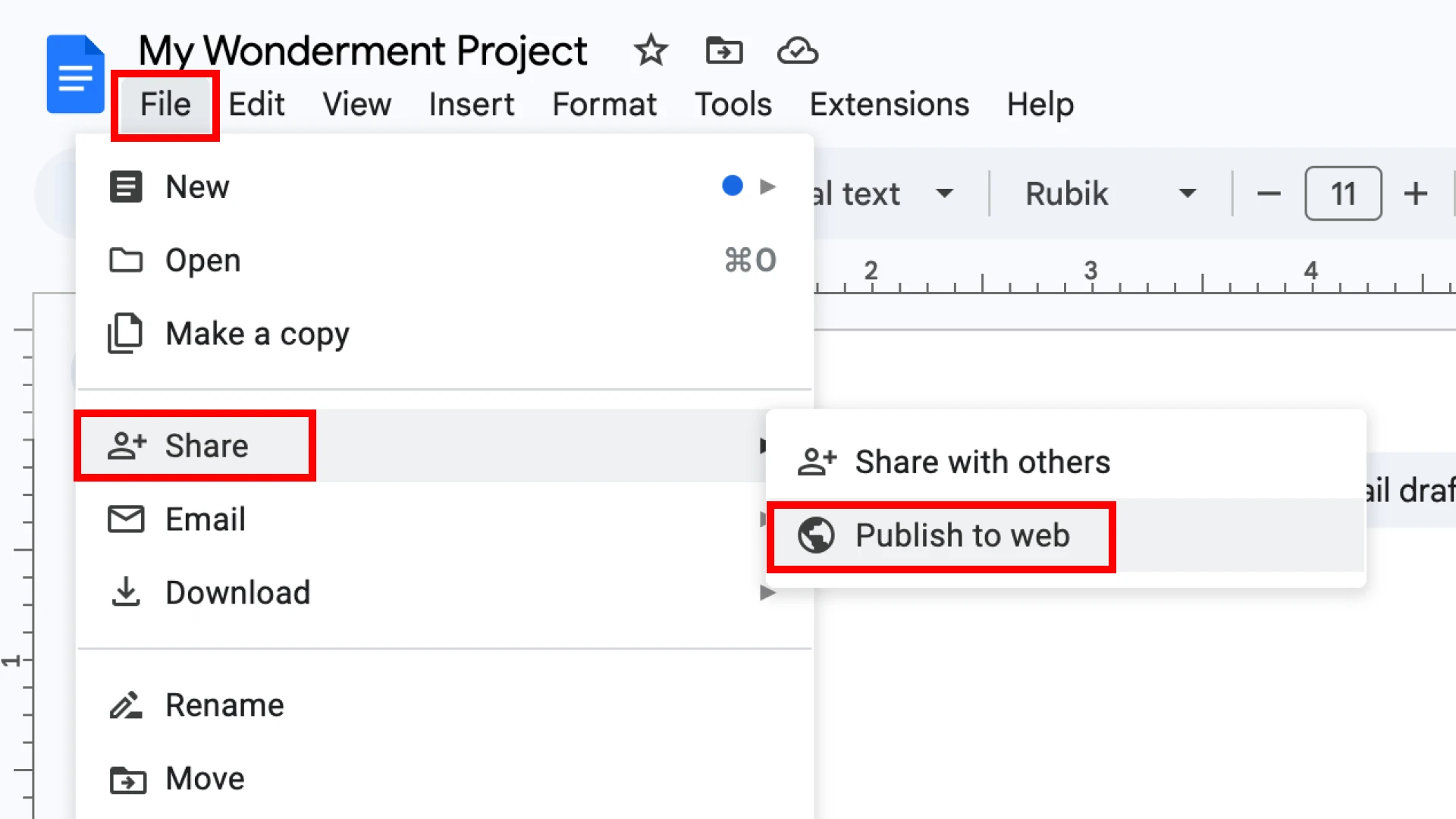
In your Document, navigate to File -> Share -> Publish to Web.
Step Two
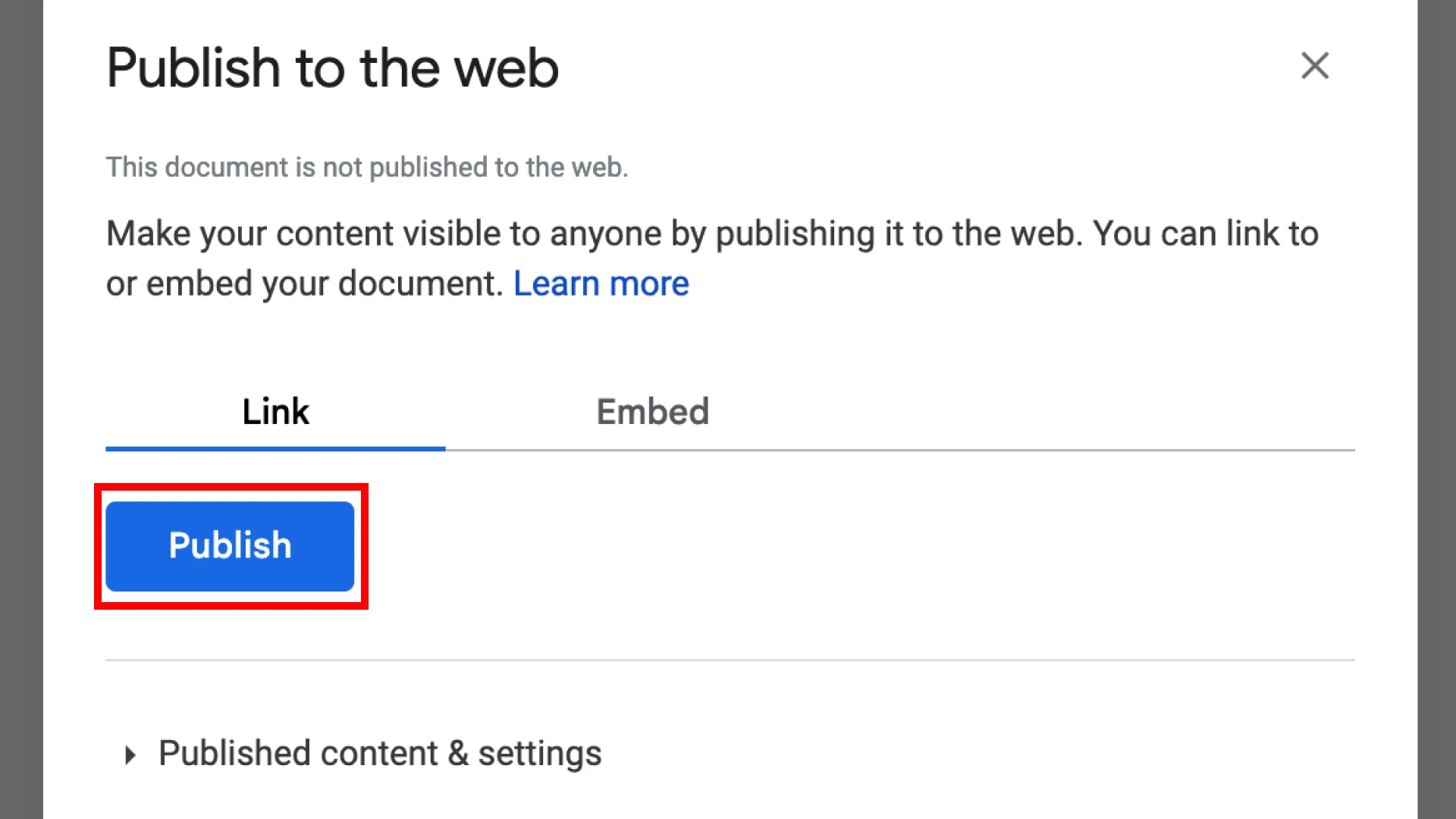
In the popup window, under the "Link" tab, click "Publish".
Step Three
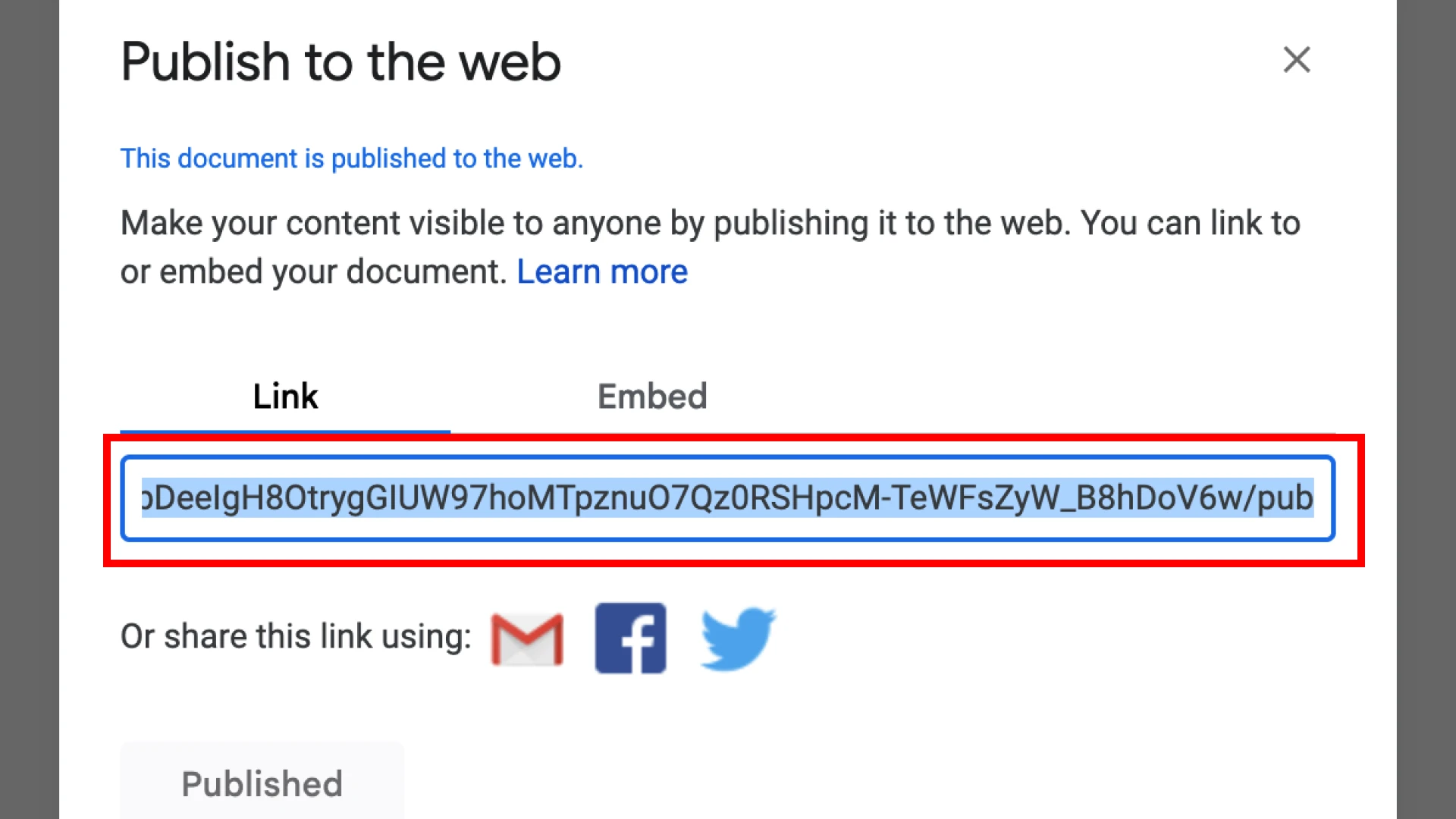
In the popup window, select the link and copy it. You can than paste that link into The Wonderment Platform when adding a Document to your Project.
For best results use a square image. Choose a file or post from your camera roll.
Share this Project link with your friends.

Part of The Wonderment Cooperative, a (501c3) Non-Profit. Terms of Service